
Search Blog by Keyword
Search Blog by Date
- September 2026 2
- August 2026 4
- July 2026 5
- June 2026 4
- May 2026 4
- April 2026 3
- March 2026 4
- February 2026 4
- January 2026 3
- December 2025 4
- November 2025 4
- October 2025 5
- September 2025 1
- June 2025 3
- May 2025 4
- April 2025 4
- March 2025 1
- February 2025 1
- January 2025 4
- December 2024 4
- November 2024 5
- October 2024 4
- September 2024 4
- August 2024 5
- July 2024 4
- June 2024 4
- May 2024 5
- April 2024 4
- March 2024 5

Client Quote # 79: feeling best
I recall when a client went camping 🏕️ they mentioned how they became more present with enjoyment and connections with people because they were unable to access social media and ways to body check.
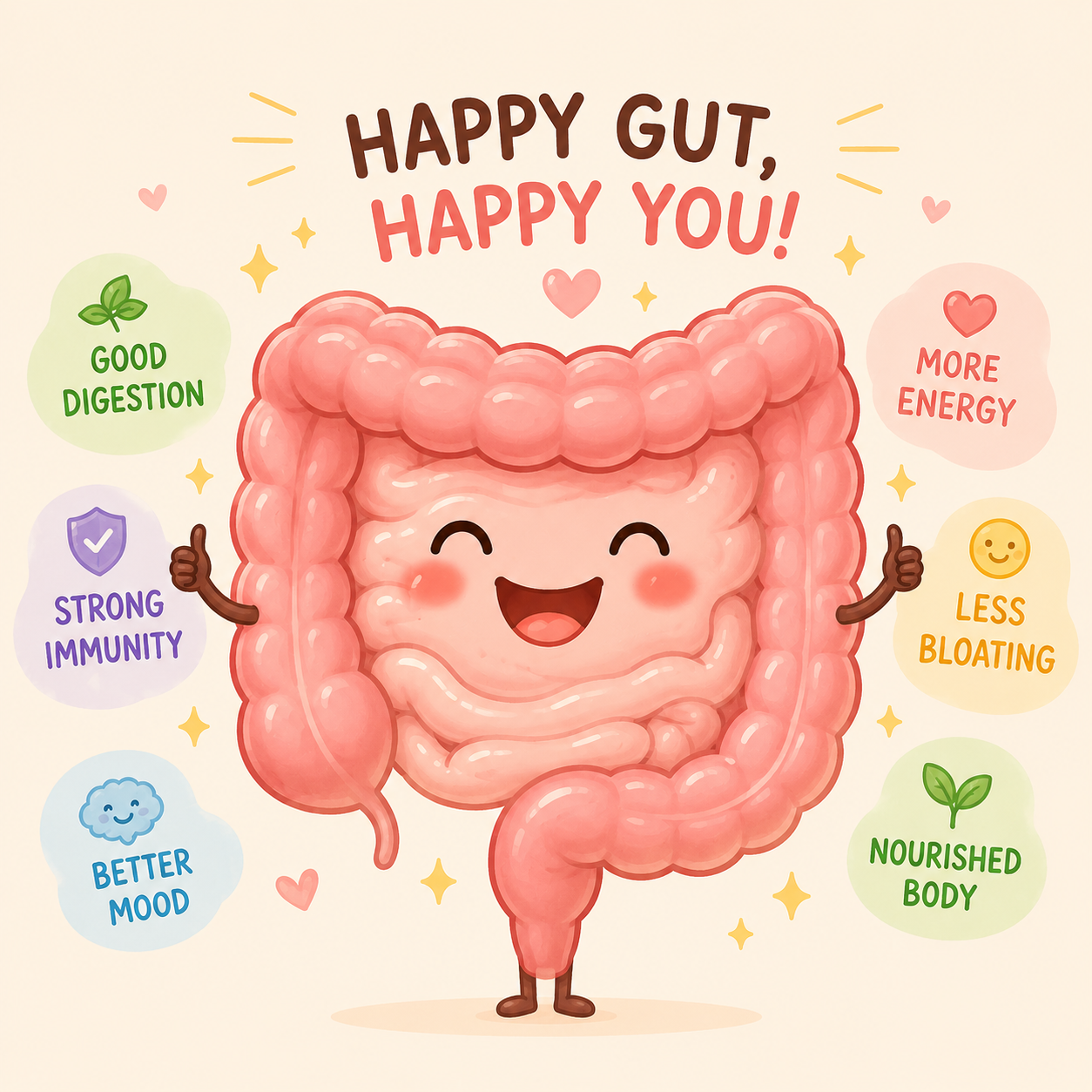
Healing the Gut in Eating Disorders
One of the most important — and frustrating — realities of recovery is that digestive symptoms may temporarily worsen before improving in eating disorder recovery. In order for the gut to heal and for gut symptoms to resolve, there has be a consistent eating pattern along with an adequate and balanced intake of foods.
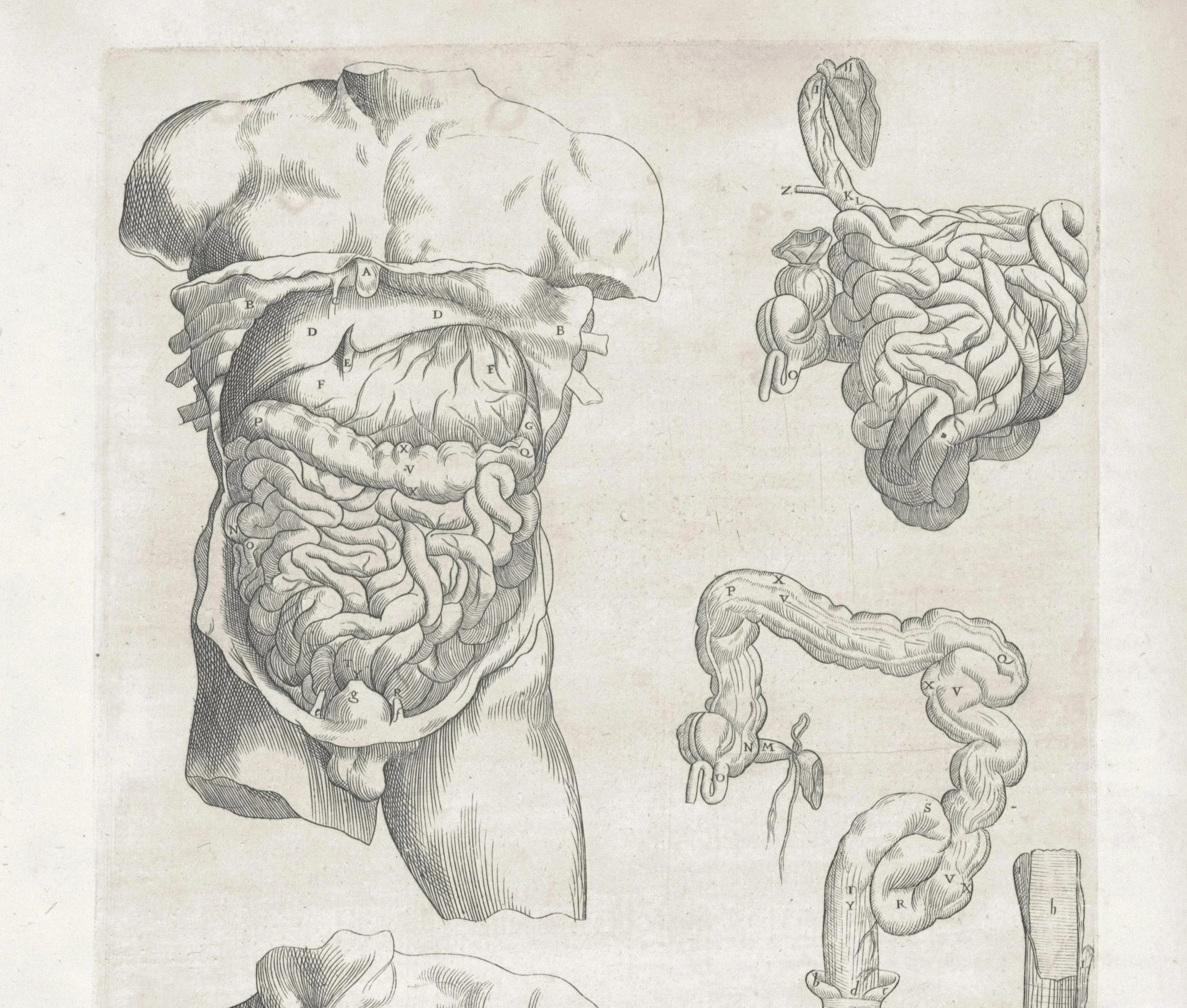
Why Eating Disorders can feel like IBS
Digestive issues are incredibly common in people experiencing eating disorders or chronic restriction. In fact, many people seek help for gut problems long before they realize their relationship with food may be contributing to their symptoms. Bloating, constipation, nausea, stomach pain, fullness after small amounts of food, reflux, and unpredictable bowel movements can feel alarming and very real — because they are real.
But one important thing often gets overlooked:
Sometimes the gut is not “broken.” Sometimes it’s underfed, stressed, or adapting to inconsistent nourishment. This is why eating disorder symptoms are frequently confused with conditions like Irritable Bowel Syndrome (IBS).
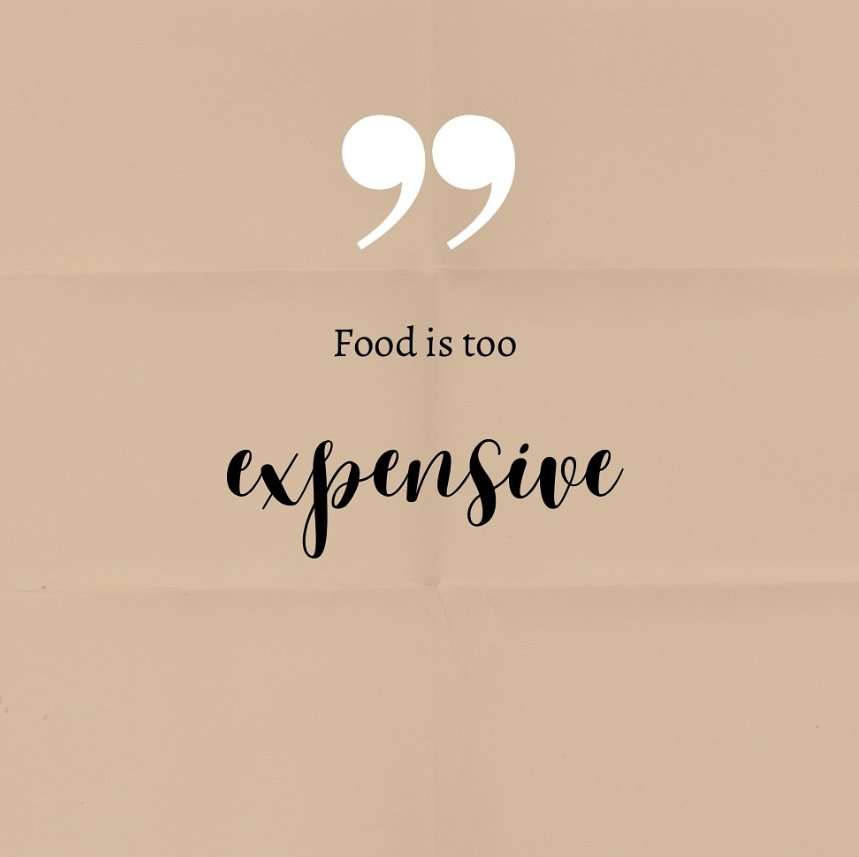
Client Quote # 78: food cost
Accessibility of food 🥦🍞🥫 is a significant and albeit often forgotten key factor in recovery. Food insecurity inherently causes intake restriction so unsurprisingly, it is commonly linked to disordered eating and eating disorders.
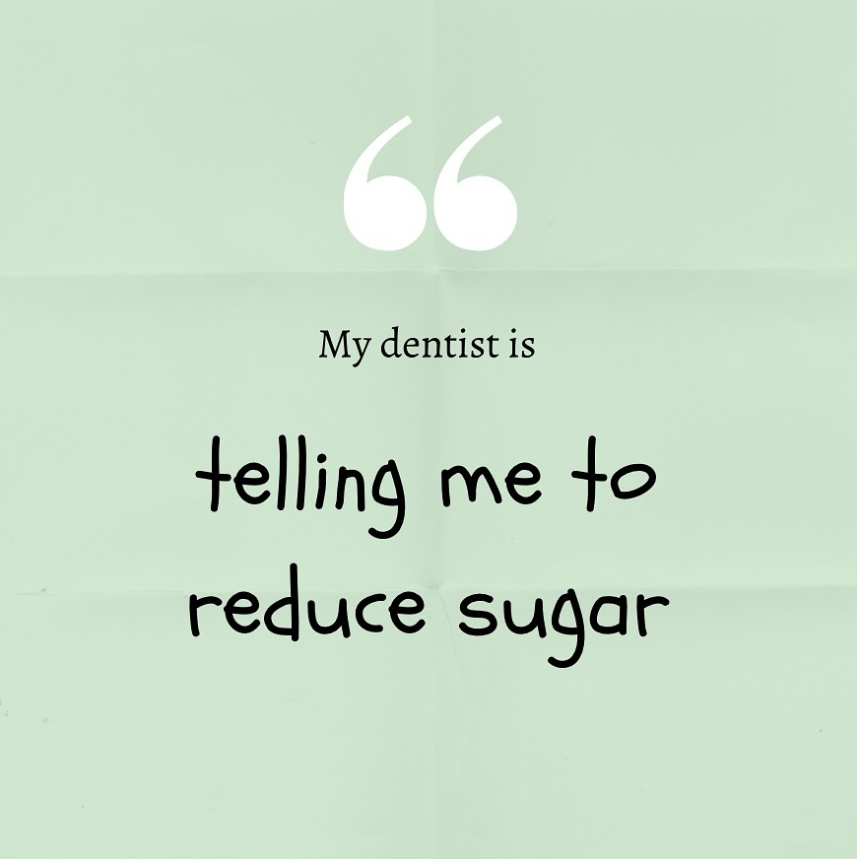
Client Quote # 77: the dentist
Before we even get into the nitty gritty of sugar…
This statement made a weird assumption that my client was eating a lot of sugar, likely an excessive amount of sugar 🤨
Client Quote # 76: who to believe
It’s hard to fully let ourselves trust anything really these days, especially with so much misinformation, hearsay and differing opinions out there, easily accessible through your family doctor, word of mouth from friends and relatives or on the internet 🗣️
It’s hard to even trust ourselves when an ED is present.
Client Quote # 75: meal plan
For me as an ED dietitian, a meal plan can feel like a double edged sword. On one hand, a meal plan can be a very supportive part of facilitating mechanical eating 😋 On the other hand, it can play into new food rules that the ED clings to follow 📝

Small Daily Shifts Toward Health at Every Size®
HAES is less about following strict rules and more about changing your relationship with health, food, and your body.

Heath at Every Size®: What does it really mean?
If you’ve spent any time online looking at nutrition, wellness, or fitness content, you’ve probably come across the term Health at Every Size®—often shortened to HAES®. Depending on where you encountered it, it may have been described as empowering, controversial, misunderstood, or even dismissed altogether.
Client Quote # 74: groove
We have known that neurodiversity has a strong correlation with EDs for a while now. This autistic client described how the onset of their ED started with gaining a special interest in counting and tracking calories.
Client Quote # 73: picky eating
Picky eating can be a natural development stage in childhood that is perfectly normal. Having strong preferences for food is also okay👌🏼
However, if you notice persistent strong rigidity around eating to the point where it impacts growth or desired functions due to things outside of body image such as:
- Sensory elements like texture, temperature, smell, taste, appearance, noise etc
- Fear of adverse consequence like nausea or choking
- Overall lack of interest in eating ie. eating feels like an overwhelming chore
These symptoms are often related to another type of eating disorder called Avoidant Restrictive Food Intake Disorder (ARFID).
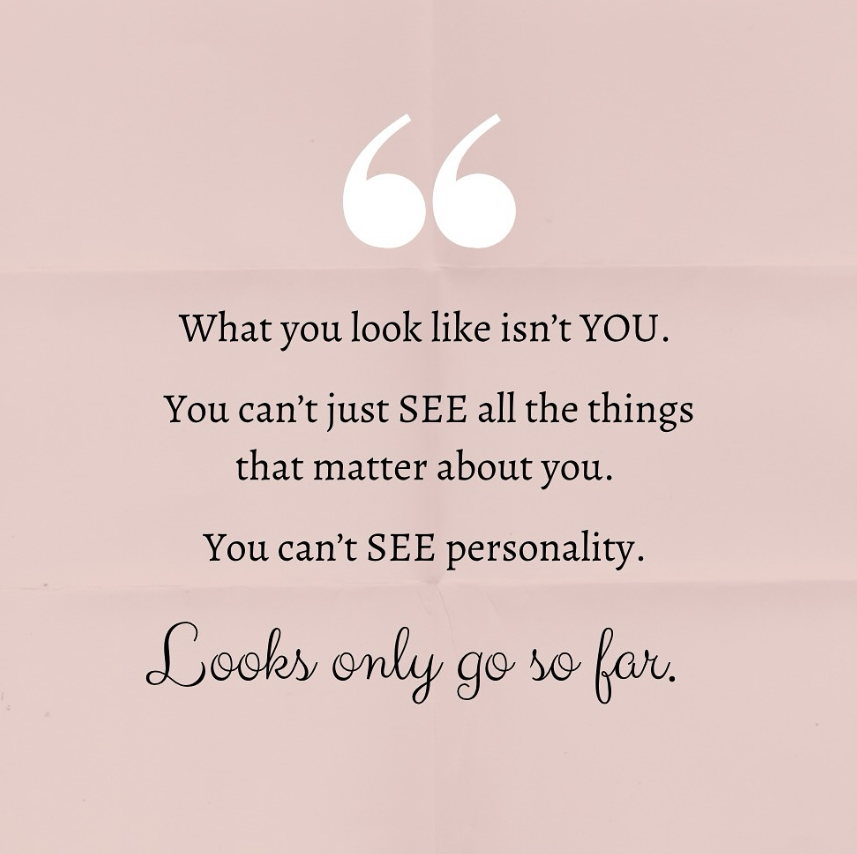
Client Quote # 72: looks
There is no need to gaslight ourselves into believing that looks do not matter. What we look like has an impact- weight stigma, thin ideal, racism, sexism, ageism, xenophobia, homophobia, transphobia, the list of examples goes on.
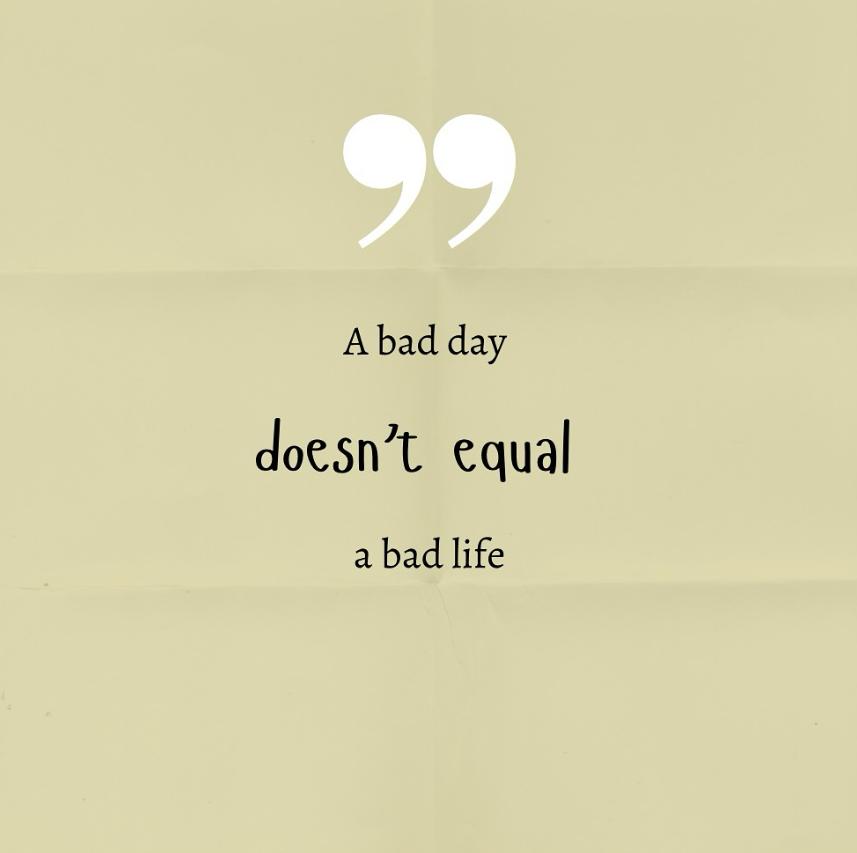
Client Quote # 71: jumping to conclusion
We have bad days for all types of reasons. ED loves bad days, because it gets to scream and shout things like “I ate too much” or “I hate my body” all the more 📣
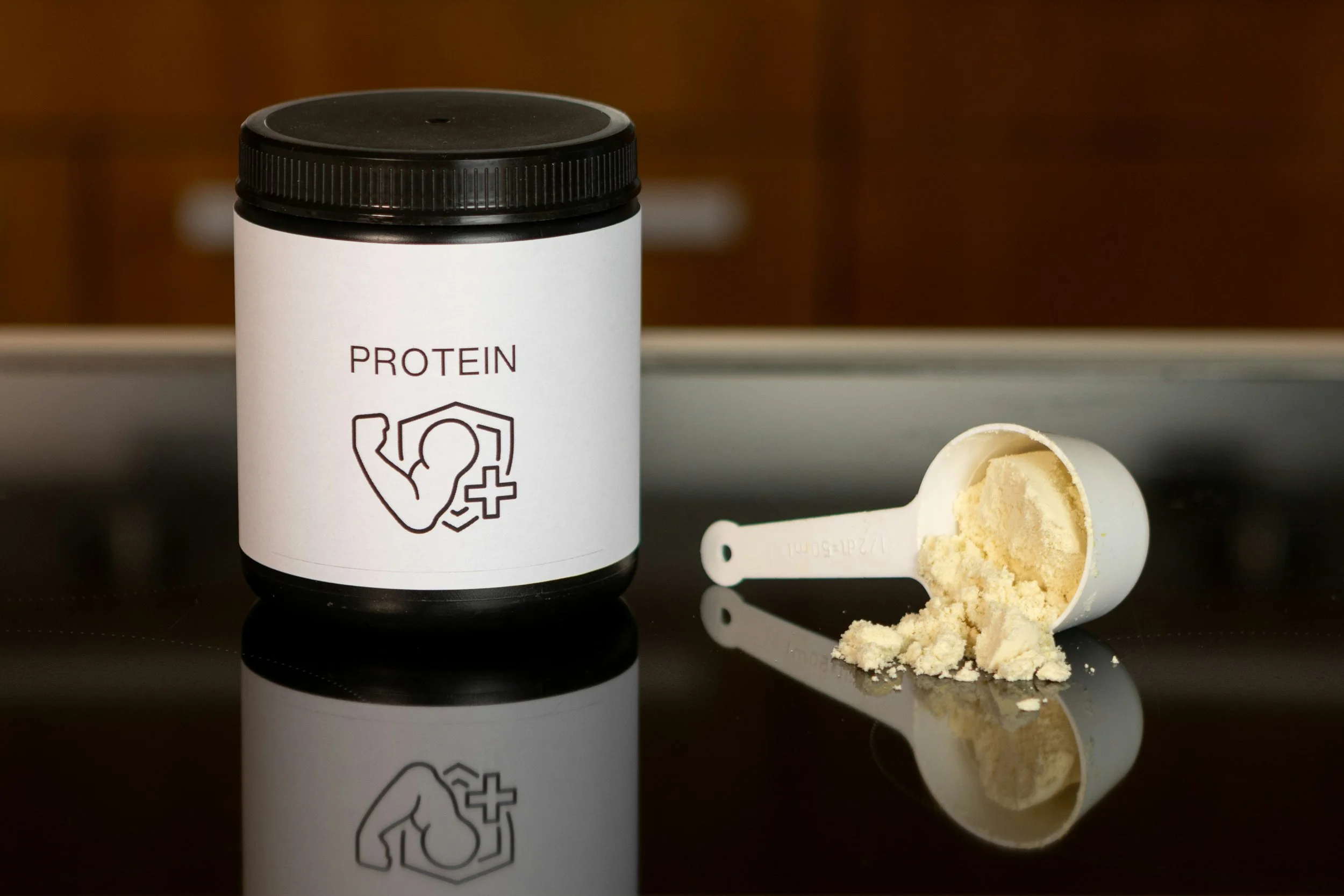
The Problem With Putting Protein on a Pedestal
When protein becomes the only focus, other important aspects of nutrition often get pushed aside.
Protein isn’t the Main Character
Protein Is Important — But It’s Not the Only Nutrient That Matters
Scroll through social media for five minutes and you’ll probably see someone adding protein powder to coffee, praising a “high-protein” dessert, or warning that you’re not eating enough protein. Protein has become the wellness world’s favourite nutrient — marketed as the solution for weight loss, muscle gain, fullness, energy, healthy aging, and even “clean eating.”
And while protein is important, diet culture has turned it into something much bigger: a moralized nutrient that people feel pressured to maximize at all costs.
The reality? Your body needs more than protein to function well. Health is not built on a single nutrient.
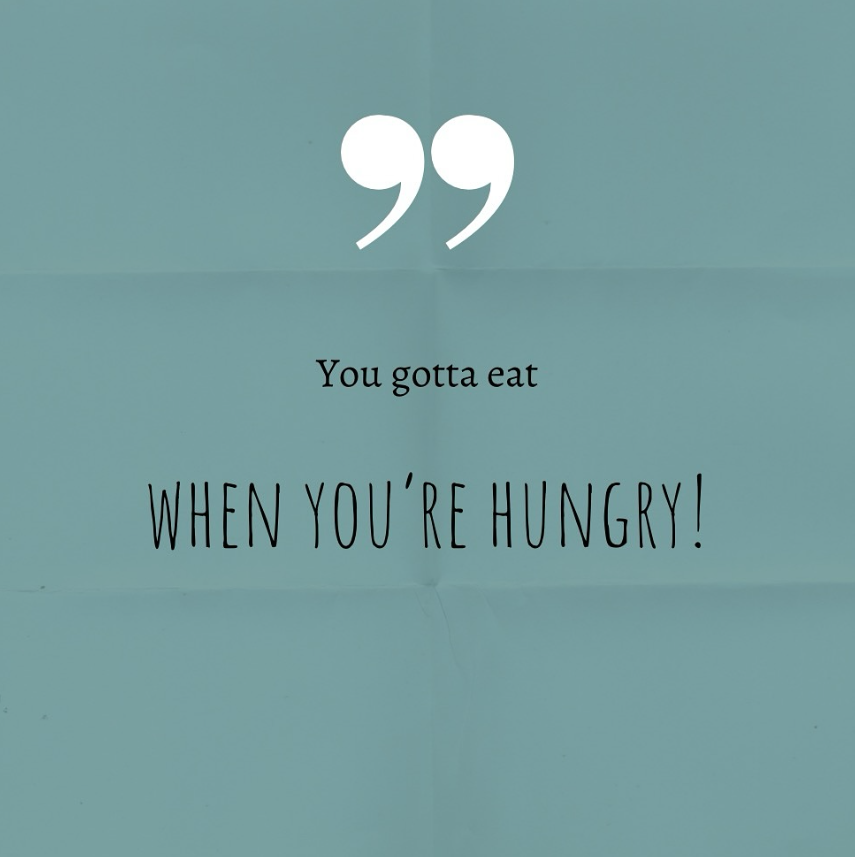
Client Quote # 70: gotta eat!
This client’s revelation came when they noticed the difference of how they felt when they did honour their hunger vs when they did not🤯
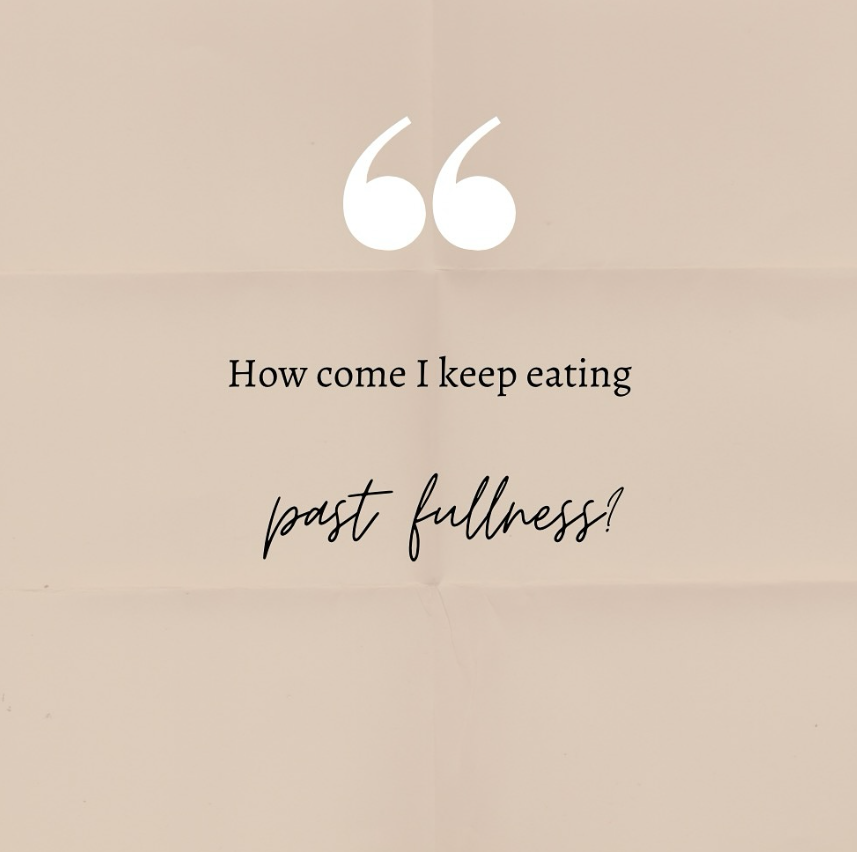
Client Quote # 69: past fullness
Hunger and fullness are paired responses. The degree of fullness the body encourages you to honour is a response to the degree of hunger you honour.
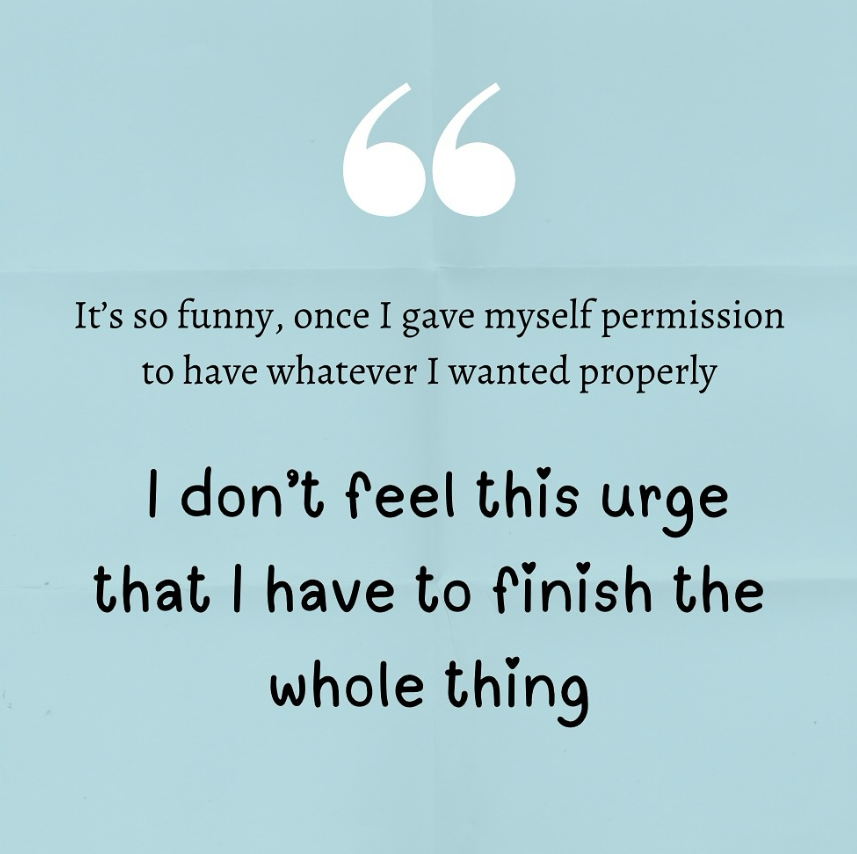
Client Quote # 68: permission
It is amazing when we realize how smart and compassionate our bodies are. How quickly the body responds to restriction of food by increasing the urges to eat 🤤
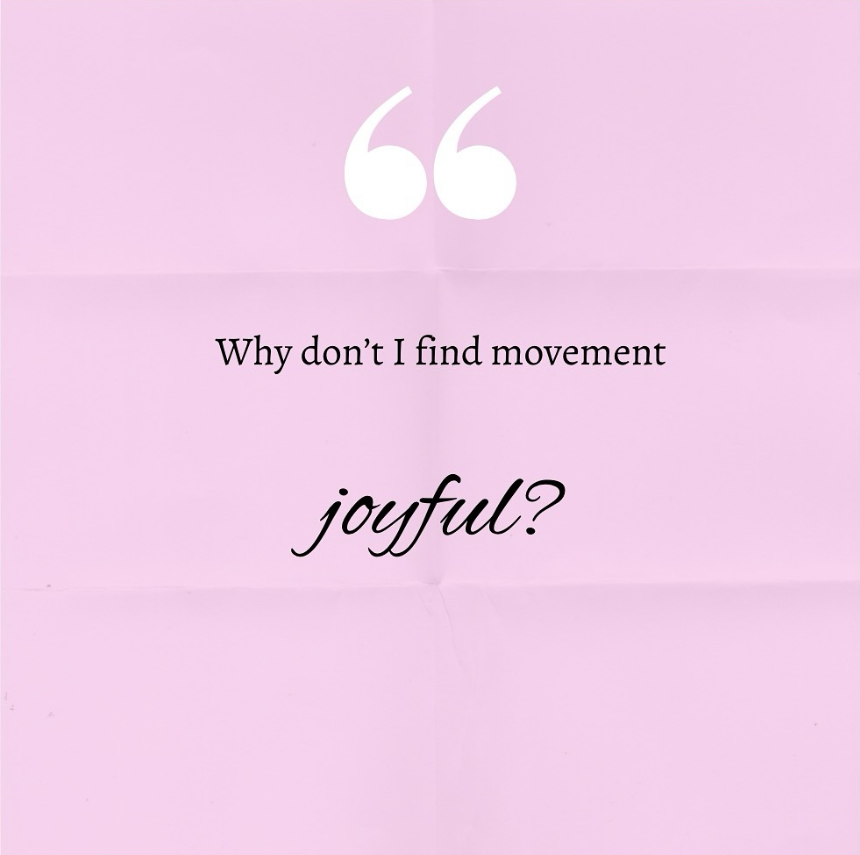
Client Quote # 67: joyful movement
When exercise🤸🏻♂️ physical activity🏃🏻♀️ or movement💃🏻 - whatever we wish to call it- is tied to unhealthy judgment, it will hinder enjoyment 😞

What is the best option between refined sugar, added sugar, and sugar substitutes?!
The answer to this is so boring that it’s easy to scroll past- because it DEPENDS!
We need to get past the rigid belief that sugar is bad for weight and bad for health without context or nuance. Sugar itself is essential to our survival, would we call our need for oxygen addicting or inflammatory even though it ages us all the same as sugar?